
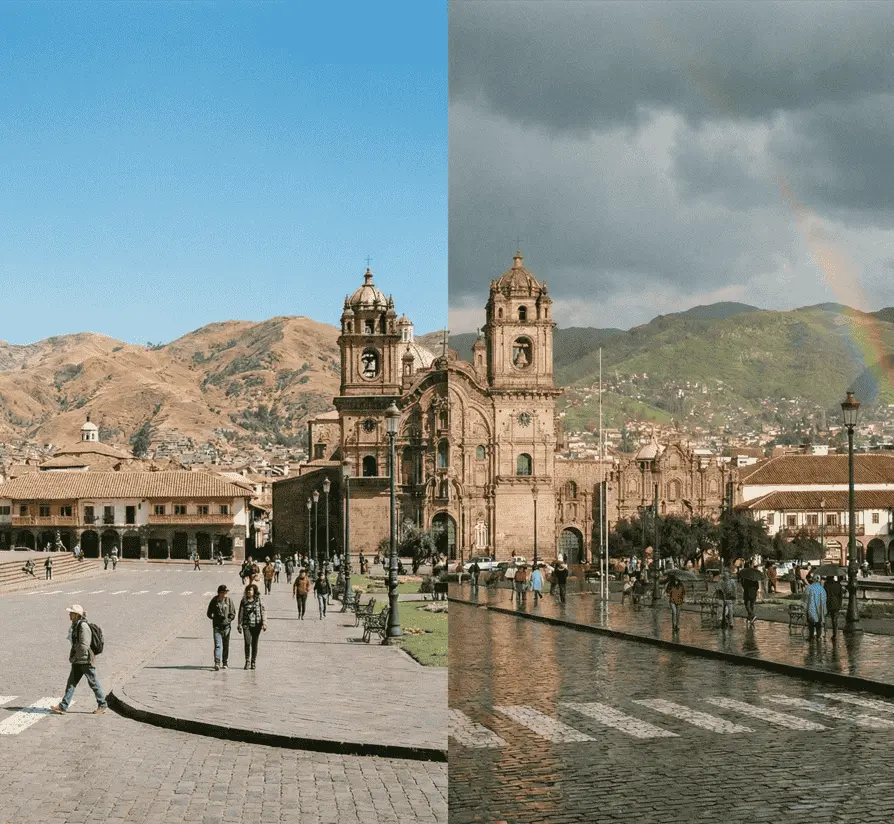
Planning a trip to Cusco is exciting, but understanding Cusco weather before you go can make the difference between a stressful vacation and a smooth, unforgettable journey. This Andean city is one of the most fascinating destinations in South America, yet many travelers underestimate how much altitude, sun, rain, and temperature changes can affect their plans. Knowing what to expect helps you pack better, organize your itinerary more wisely, and enjoy each experience with greater comfort.
Cusco weather is not extreme in the way some people imagine, but it is distinctive. Because the city sits at more than 3,300 meters above sea level, the climate behaves differently from coastal or low-altitude destinations. A single day can begin with a cold morning, turn into a sunny and warm afternoon, and end with a freezing night. That constant variation surprises many visitors, especially those arriving from warmer climates. The good news is that once you understand the rhythm of the local climate, everything becomes easier.
For anyone planning to explore plazas, museums, nearby ruins, mountain viewpoints, markets, or iconic places such as Machu Picchu and the Sacred Valley, learning about Cusco weather is one of the smartest first steps. It is not just about whether it may rain. It is also about how the air feels, how quickly temperatures change, how strong the sun can be, and how different the landscape looks from one month to another. Climate shapes the entire travel experience in this part of Peru.
What makes this destination especially interesting is that the year is not usually described through spring, summer, autumn, and winter in the same way many travelers expect. Instead, Cusco weather is better understood through two main seasons: the dry season and the rainy season. Each one has advantages, challenges, and a very different atmosphere. Some travelers fall in love with clear blue skies and crisp mountain air. Others prefer green valleys, softer light, and fewer crowds. Neither choice is wrong; it all depends on what kind of trip you want.
Why the climate in Cusco feels so different
The first thing to understand is that altitude changes everything. At high elevation, the air is thinner, nights cool down faster, and sunlight feels much stronger. That is why Cusco weather can feel mild on paper when you look at average temperatures, yet much more intense in real life. A daytime high of 20 °C may sound pleasant, but under strong high-altitude sunshine it can feel surprisingly warm. At the same time, once the sun goes down, that comfort can disappear quickly.
Another important detail is dryness. In certain months, the atmosphere becomes much less humid than many visitors are used to. During those periods, Cusco weather often brings blue skies, bright daylight, and comfortable conditions for sightseeing, but it can also dry out your skin, lips, and throat. Travelers sometimes focus only on temperatures and forget that humidity, solar radiation, and wind also influence how the body responds.
Local geography also plays a role. The city is surrounded by mountains and valleys that create shifting microclimates, especially if you move between urban areas and countryside routes. For that reason, Cusco weather in the historic center may not feel exactly the same as the conditions you experience on a full-day excursion. A traveler may leave the hotel in sunshine and encounter clouds, drizzle, or stronger winds elsewhere. Flexibility is part of traveling well here.
The two main seasons
Even though temperatures stay within a relatively moderate range through the year, rainfall changes a lot. That is why Cusco weather is generally divided into two clear periods. The first is the dry season, which usually runs from May to October. The second is the rainy season, which usually extends from November to April. Between these periods there are transitional weeks when conditions can be mixed, but the overall pattern remains fairly consistent from year to year.
Understanding this cycle helps with practical decisions. If your priority is hiking, open views, and low chance of rain, one season will likely suit you best. If you prefer greener scenery, fewer tourists, and a calmer pace, the other may be a better match. Cusco weather does not make one part of the year “good” and another “bad.” Instead, it gives each season a different personality.
Dry season: clear skies, bright days, cold nights
For many travelers, the dry season is the most attractive time to visit. During these months, Cusco weather tends to be stable, sunny, and favorable for outdoor activities. Rainfall is limited, skies are often clear, and visibility is excellent for panoramic views. If you dream of seeing mountain landscapes in sharp detail or taking photos under brilliant natural light, this season is especially appealing.
One of the biggest advantages of Cusco weather in the dry season is reliability. Plans are less likely to be interrupted by storms or slippery conditions, which is helpful if your itinerary includes archaeological sites, scenic train journeys, walking tours, or treks. This is one reason why the months from May through August are so popular with international visitors. Travelers feel more confident booking ambitious schedules when the climate is stable.
However, there is an important trade-off. The same conditions that make these months desirable also make them crowded. Hotels, tours, and entry tickets can sell out quickly, especially around major holidays and festivals. Cusco weather may be ideal in this period, but demand rises sharply too. Anyone traveling in peak season should reserve well in advance.
Temperatures during the day are often pleasant, commonly ranging between the high teens and low twenties in Celsius. In direct sunlight, the warmth may feel stronger than expected. Yet the nights are a very different story. In the heart of the dry season, especially in June and July, temperatures can approach freezing. This contrast is one of the defining features of Cusco weather and one of the main reasons layered clothing is essential.
The dry season is also excellent for classic excursions. Paths are usually in better condition, viewpoints offer wider visibility, and morning departures feel easier to manage. For travelers whose priority is a smooth outdoor experience, Cusco weather during these months often feels like the safest choice. That includes people interested in trekking routes, full-day cultural tours, and photography-focused itineraries.
Rainy season: green landscapes and a calmer atmosphere
The rainy season creates a completely different mood. From roughly November to April, Cusco weather becomes wetter, the countryside turns greener, and the light across the mountains softens. While some travelers avoid these months out of fear that it will rain nonstop, the reality is more nuanced. Rain frequently comes in the afternoon or evening, while mornings can remain clear enough for exploration.
This season has a beauty of its own. Hillsides look fresh, agricultural areas appear more vibrant, and valleys feel alive in a different way. For many visitors, Cusco weather in this period offers a more romantic and atmospheric version of the Andes. Clouds drifting across old stone streets or over distant mountains can make the city feel mysterious and memorable.
One major advantage is that tourism tends to be less intense. There are exceptions during holidays, of course, but in general the city feels calmer. That means shorter lines in some places, more accommodation options, and in many cases more competitive prices. Travelers who value a quieter experience often find that Cusco weather in the rainy season is not a problem at all; it is simply part of the charm.
Still, preparation matters. Wet roads, muddy paths, and occasional schedule changes are possible. If you are planning a route with a lot of walking or a long excursion into rural areas, flexibility becomes very important. Cusco weather in these months rewards travelers who can adapt without stress and who do not expect every day to unfold exactly as planned.
Another detail to remember is that the rainy season does not mean constant cold. Daytime temperatures can still feel comfortable, especially when the sun comes out. Many travelers are surprised to discover that Cusco weather during these months can feel pleasant for several hours at a time before the rain arrives. That is why morning planning is often recommended when visiting in the wetter part of the year.
A closer look at the year, month by month
January is one of the wettest times of the year. Expect frequent rainfall, especially later in the day, along with cloudy intervals and rich green scenery. February is usually similar, and in some years even wetter. Travelers visiting during this time should build flexibility into every plan and focus on waterproof layers rather than hoping for completely dry days.
March still belongs to the wetter part of the calendar, but toward the end of the month the heaviest rainfall may begin to ease. April often feels like a transition. The countryside remains green, but there can be more breaks of sunshine and slightly more predictable conditions. For some travelers, this is a very attractive balance between nature and accessibility.
From May onward, the drier pattern becomes more noticeable. May is often one of the loveliest months because the landscape still holds some freshness from the rains while conditions become more stable. June and July are among the most dependable months for clear views and structured itineraries, though nights are at their coldest. August continues with similar patterns, though winds may feel more noticeable in some areas.
September often begins to show early signs of transition. Dry conditions still dominate, but occasional showers can reappear. October continues that gradual shift. By November, rainfall becomes more regular again, and December usually confirms the return of the wet season. Through all of these changes, Cusco weather remains manageable for travelers who pack thoughtfully and plan with realistic expectations.
What to pack for comfort in every season
Packing well for this destination is less about bringing heavy luggage and more about bringing the right layers. Since conditions shift between morning, afternoon, and night, a flexible wardrobe is much more useful than a suitcase filled with single-purpose items. A light T-shirt, a sweater or fleece, and a jacket that blocks wind or rain will usually serve you better than bulky outfits that cannot adapt.
A good outer layer is particularly important because Cusco weather can change quickly. In the dry season, a warm jacket helps after sunset and during early departures. In the rainy season, a waterproof or water-resistant shell becomes essential. You do not need to overpack, but you do need pieces that work together.
Footwear deserves special attention too. Comfortable walking shoes are enough for city days, but for excursions beyond the center, especially in the wetter months, shoes with solid grip are a wise choice. If your itinerary includes uneven surfaces, archaeological complexes, countryside walks, or viewpoints with stone steps, proper footwear will make a real difference.
Sun protection is just as important as rain protection. Because of the altitude, solar intensity remains strong throughout the year. Even when the air feels cool, the sun can be harsh on the skin. Many people do not realize how quickly they can burn under these conditions. Good sunscreen, sunglasses, and a hat are simple but essential additions to your travel bag.
Choosing the best time based on your travel style
There is no universal answer to the question of when to visit because the best season depends on what matters most to you. If your dream trip includes postcard-like views, outdoor adventures, and maximum predictability, the dry season will probably be your best option. If you care more about scenery, atmosphere, and avoiding peak-season crowds, the rainy season may offer a more satisfying experience.
Adventure travelers often prioritize stable conditions for hiking and long days outside. In that case, Cusco weather in the dry season is usually the preferred choice. Photographers, however, may enjoy both seasons for different reasons. Dry months deliver crisp skies and strong light, while rainy months bring mist, moody clouds, and dramatic green landscapes.
Couples seeking a quieter, more intimate trip may appreciate the lower visitor numbers of the wetter months. Families traveling with children sometimes prefer the dry season for simplicity, especially if their plans are tightly scheduled. Meanwhile, slower travelers who are happy to spend time in cafés, museums, and local neighborhoods often find that Cusco weather never truly stops them from enjoying the city.
Budget can also shape the decision. High season generally brings higher prices and more competition for the best rooms and tours. If you are more flexible and open to occasional rain, visiting outside the busiest months may help stretch your budget further. Climate is important, but it is only one part of the overall travel equation.
How the climate affects daily plans
A smart itinerary in this destination takes the daily pattern into account, not just the monthly season. Morning hours are often the best time for active outings because the sky tends to be clearer and the body has more energy. During the rainy season, this is even more important because showers often develop later in the day. In the dry season, mornings can feel quite cold, so leaving early with warm layers is a good idea.
Afternoons can be perfect for lunch with a view, museum visits, wandering through markets, or returning to the hotel for a short rest before evening plans. Travelers who pay attention to the rhythm of Cusco weather usually enjoy a smoother, less tiring trip because they are working with the climate rather than against it.
Nighttime requires another shift in planning. Even after a warm afternoon, temperatures can drop fast. This is the moment when an extra sweater, scarf, or insulated jacket becomes more than just a convenience. Whether you are dining out, attending an evening event, or simply walking back to your hotel, being prepared for the colder night air improves the experience significantly.
Health, hydration, and altitude
Many visitors focus so much on rain or temperature that they forget the combined effect of altitude, dryness, and activity. Long walks, stairs, sun exposure, and thinner air can be tiring, especially on the first days. Drinking enough water, taking breaks, and avoiding an overly packed arrival day are simple ways to adapt more comfortably.
Good rest matters too. You do not need to be afraid of altitude, but you should respect it. A relaxed first day, light meals, and steady hydration help many travelers feel better more quickly. This is also why climate awareness matters: when you understand how conditions behave, you are less likely to push yourself too hard at the wrong time of day.
Common mistakes travelers make
One frequent mistake is packing for average temperatures without thinking about daily change. Another is underestimating the sun because the air feels cool. Some visitors also assume that the rainy season means every day will be ruined, which is rarely true. Others expect the dry season to feel warm all the time and then are surprised by freezing evenings.
Perhaps the biggest mistake is treating climate as a minor detail. In reality, it shapes clothing, pacing, transportation, energy levels, and even your enjoyment of key attractions. Taking it seriously does not mean being anxious; it simply means being prepared.
Final thoughts
A well-planned trip begins with realistic expectations, and climate is one of the most important parts of that preparation. Whether you arrive in a month of bright skies or one of green hills and afternoon showers, the city offers a rich and rewarding experience. Understanding the seasonal rhythm helps you choose the right moment for your goals, but it also helps you stay calm if conditions change.
In the end, the best journeys are not always the ones with perfect sunshine from morning to night. They are the ones in which you feel ready for what the destination is naturally like. When you prepare for shifting temperatures, strong sun, and seasonal rainfall, you give yourself the freedom to enjoy more and worry less.
That is why learning about Cusco weather before your trip is not just a practical step; it is part of traveling intelligently. With the right clothing, the right timing, and the right attitude, you can enjoy the city in any season and appreciate its beauty in all its forms. Cusco weather does not simply influence the journey. In many ways, it becomes part of what makes the journey unforgettable.
BLOG HOME